
June 23, 2026 Announcement
Kyrok Raises €3.1 Million for AI Operating System for Pharma and Chemical SMEs' Supply Chain Teams
- Pre-seed round led by Speedinvest, joined by ex-SAP CPO Dr. Marcell Vollmer, the family office of active pharmaceutical packaging leader Sanner and the founders of Langdock.
- Several companies are already using the system, saving more than 80 per cent of time on routine tasks and a significantly lower error rate.
- Kyrok layers over existing ERP systems without any migration, bridging long-standing data silos.
- Industry-specific AI agents handle routine work while people stay in control of decisions.
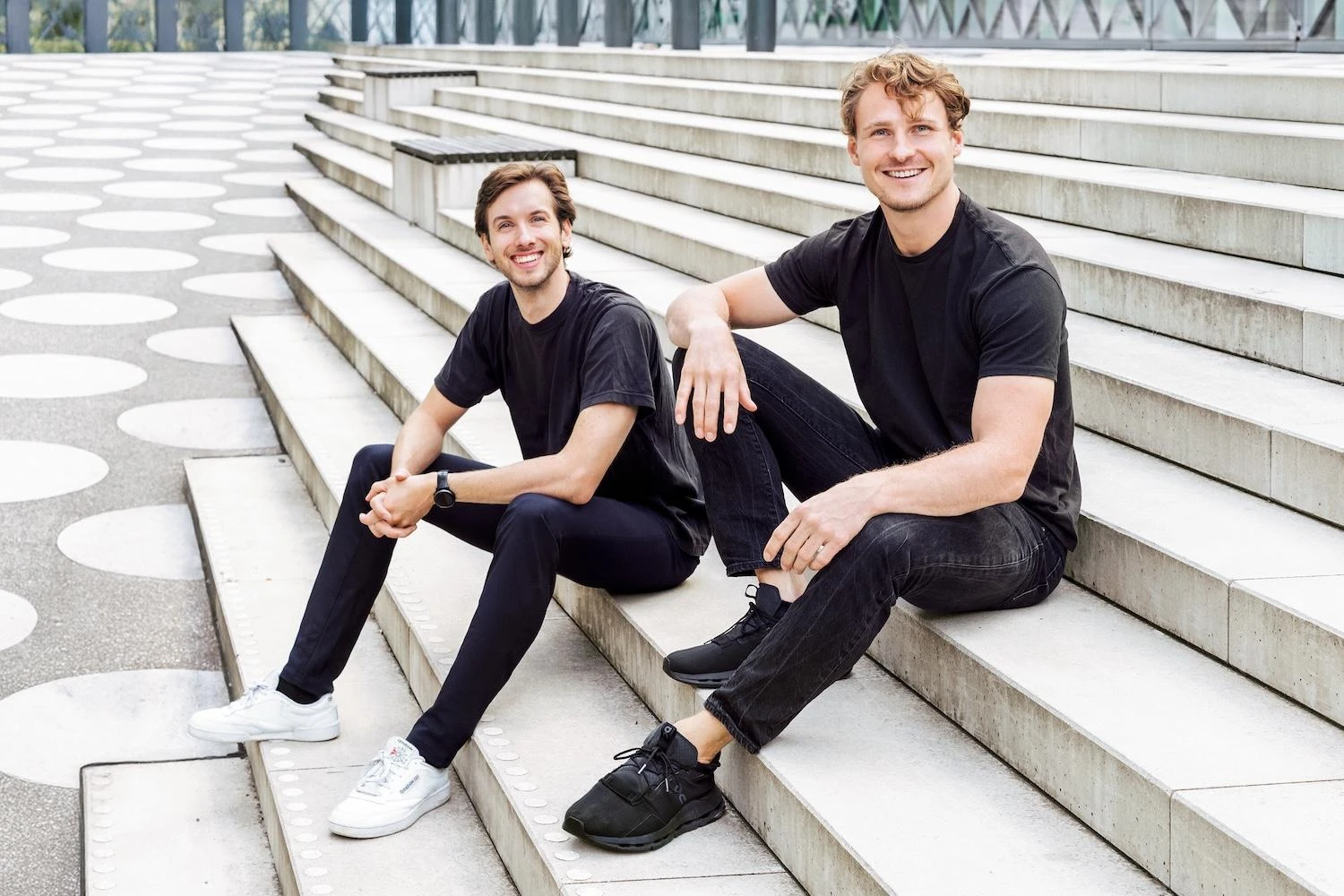
Berlin, 23 June 2026 – Industrial AI startup Kyrok (pronounced Kai-rok) has raised €3.1 million in a pre-seed round. The Berlin-based company is developing the first AI operating system for supply chain management in Europe’s pharmaceutical and chemical SMEs, with industry-specific agents at its core. Kyrok was founded in 2025 by Daniel Hofinger and Lukas Bierfreund. The round is led by European VC Speedinvest. With the fresh capital, Kyrok will continue building out its operating system, develop further modules and strategically scale its Berlin team to meet rising demand.
Further investors include Arve Capital, the family office behind active pharmaceutical packaging leader Sanner, alongside well-known names from industry and tech: Dr. Marcell Vollmer (former CPO at SAP), Dr André Heeg (Managing Director & Partner Pharma & Healthcare at BCG), Dr Stephan Rohr (CEO at TWAICE), Langdock founders Jonas Beisswenger, Tobias Kemkes and Lennard Schmidt, as well as Rodrigo Martinez via HelloWorld.
Europe’s most critical industries still run on ’90s software
While Brussels debates digital sovereignty, AI infrastructure and resilient supply chains, a significant share of Europe’s pharmaceutical and chemical production still runs on SAP R/3 from the 1990s, on Excel and on the experience of employees who are about to retire. Europe’s chemical sector alone counts around 31,000 companies, 97 per cent of them SMEs, and directly employs over 1.2 million people. The pharmaceutical industry adds another estimated 950,000 jobs across the continent. Together, they form one of Europe’s largest and most strategically important industrial bases, and one of its most exposed.
Medicine shortages have shifted from isolated incidents to a chronic, structural crisis, as geopolitical tensions layer fresh disruption onto an already fragile system. The European Commission found that over 50 per cent of recent critical medicine shortages in the EU were driven by manufacturing issues, made worse by Europe’s reliance on active pharmaceutical ingredients from India and China. Chemicals tell a similar story. Europe’s share of the world chemical production market has dropped to 13 per cent, while China now accounts for 46 per cent of global sales, according to the European Chemical Industry Council. Unless European manufacturers raise productivity, further production could move abroad.
The scale of the challenge becomes clear when looking for example at Germany, where the pharmaceutical and chemical industries form its third-largest industrial sector. The workforce is ageing fast, with one in four employees in manufacturing now 55 or older. When experienced specialists retire, decades of process knowledge risks walking out of the door with them, just as competitive pressure is intensifying. Ageing workforces, supply shortages and international competition hit the companies that form the backbone of the sector hardest, namely the SMEs.
Modern interface over legacy ERP
Kyrok’s operating system for pharma and chemical supply chain teams sits as an application layer on top of existing enterprise resource planning (ERP) systems, with no system migration required. Instead of switching between the ERP and various other applications, teams work in one modern, intuitive interface where AI agents guide them through their processes. With every interaction, the AI learns more about each user’s specific patterns, moving knowledge from people’s heads into the system.
Step by step, Kyrok will cover the core functions of supply chain management. The first module is built for customer service teams, supporting order intake and other industry-specific workflows. Production planning, material planning and procurement will follow. All data is held GDPR-compliant on European infrastructure in Frankfurt am Main.
“We visit production sites where order lists are printed out in the morning, carried into the next room and typed back into another system. The people doing this work are extraordinary, holding disjointed systems together by hand. They deserve tools from this century,” says Daniel Hofinger, CEO and Co-founder of Kyrok. “Our goal is to make a concrete contribution to a competitive European SME sector.”

Results from the pilot phase
Several pharmaceutical and chemical SMEs are already running the operating system in the pilot phase. The results show that Kyrok captures more than 80 per cent of complex orders without errors. On routine tasks, AI agents free up considerable time and noticeably reduce the error rate.
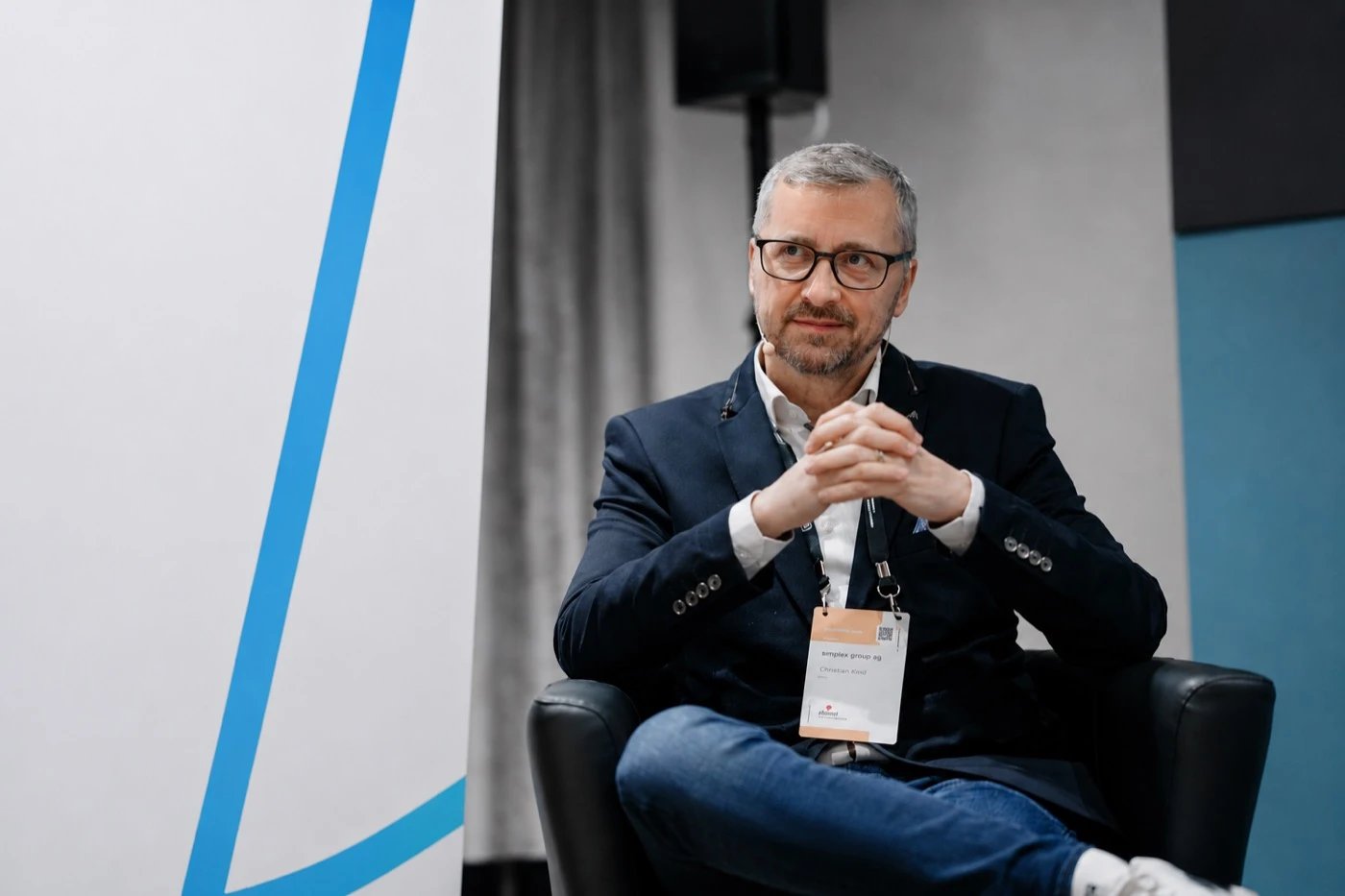
Christoph Staub, CEO at Swiss pharmaceutical SME Konapharma, highlights Kyrok’s human-in-the-loop approach. “Kyrok takes a huge amount of work off our shoulders. We get back the time we need for the things that genuinely matter to our customers. What convinced me is that the system makes suggestions, but the final call stays with the employee who carries the responsibility.”
Before a single line of code was written, Hofinger and Bierfreund had already conducted more than 200 interviews with operators in the pharmaceutical and chemical industries, and analysed production and ERP processes across countless plant visits and workshops.
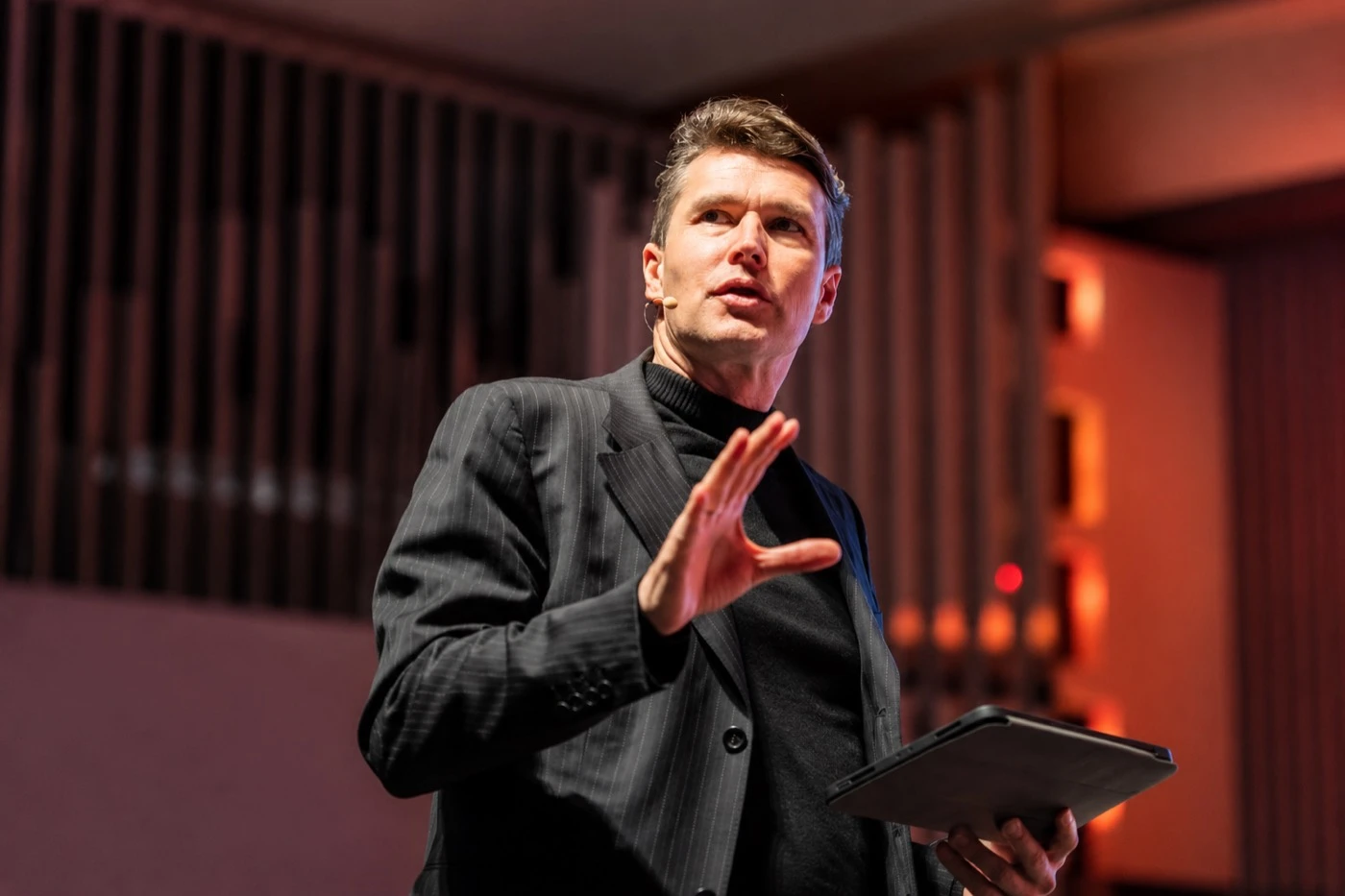
“Kyrok brings an impressive depth and breadth of industry knowledge. In my 14 years at SAP, I rarely saw software teams reach that level. What Daniel and his team have delivered in only a few months shows enormous potential for Europe’s industrial base,” says Dr. Marcell Vollmer, former Chief Procurement Officer at SAP.
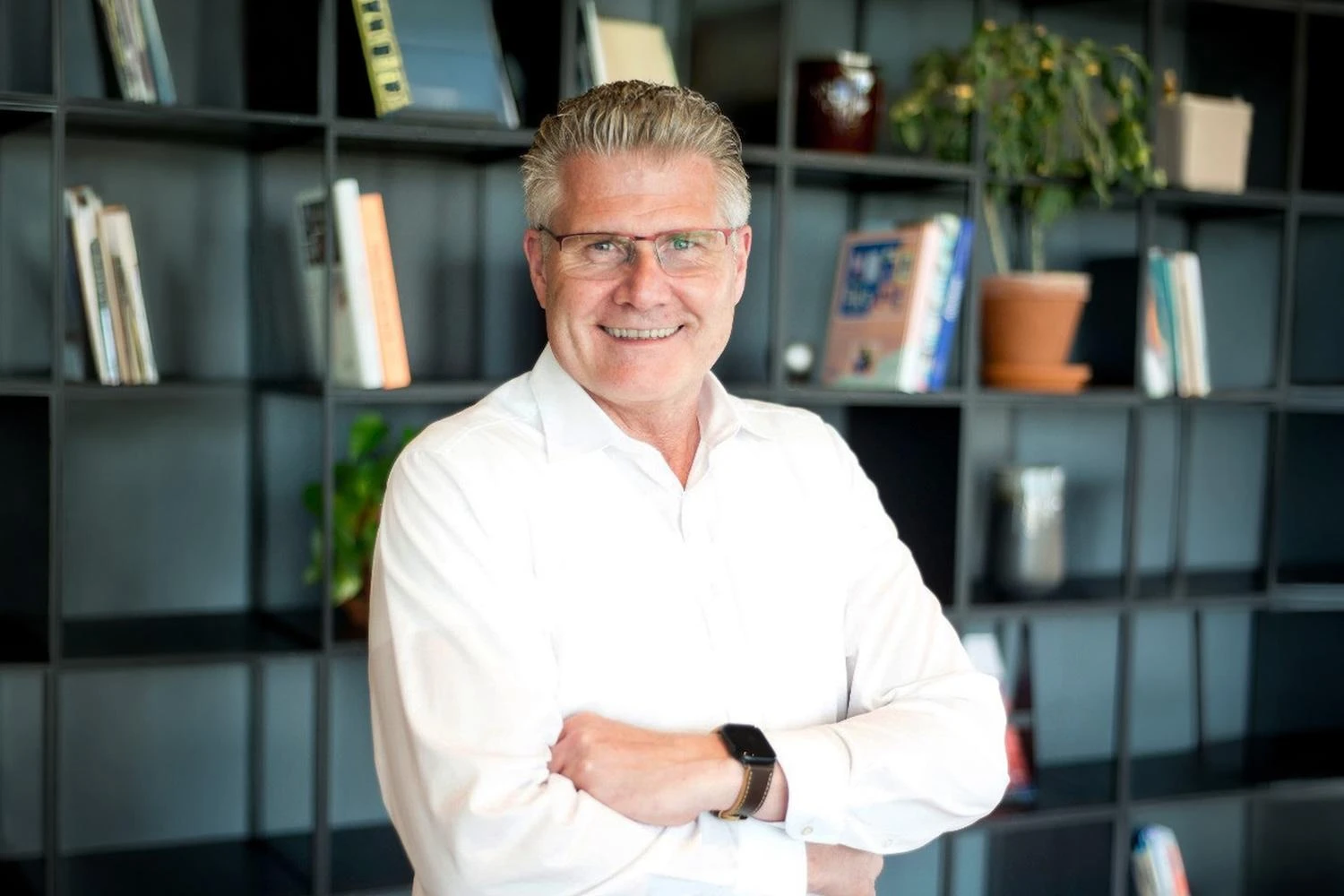
“Traditional ERP systems mainly just manage data. Kyrok intelligently connects data, processes and knowledge. It captures valuable experience that lives in the minds of our people and turns it into scalable, AI-supported workflows,” adds Frank Fürst, General Manager at AnalytiChem, the international chemicals company headquartered in Duisburg. “For a chemical SME like ours, this is a decisive step towards the next generation of process management and towards securing the future of manufacturing in Germany.”
Founders with a track record in the industrial SME segment
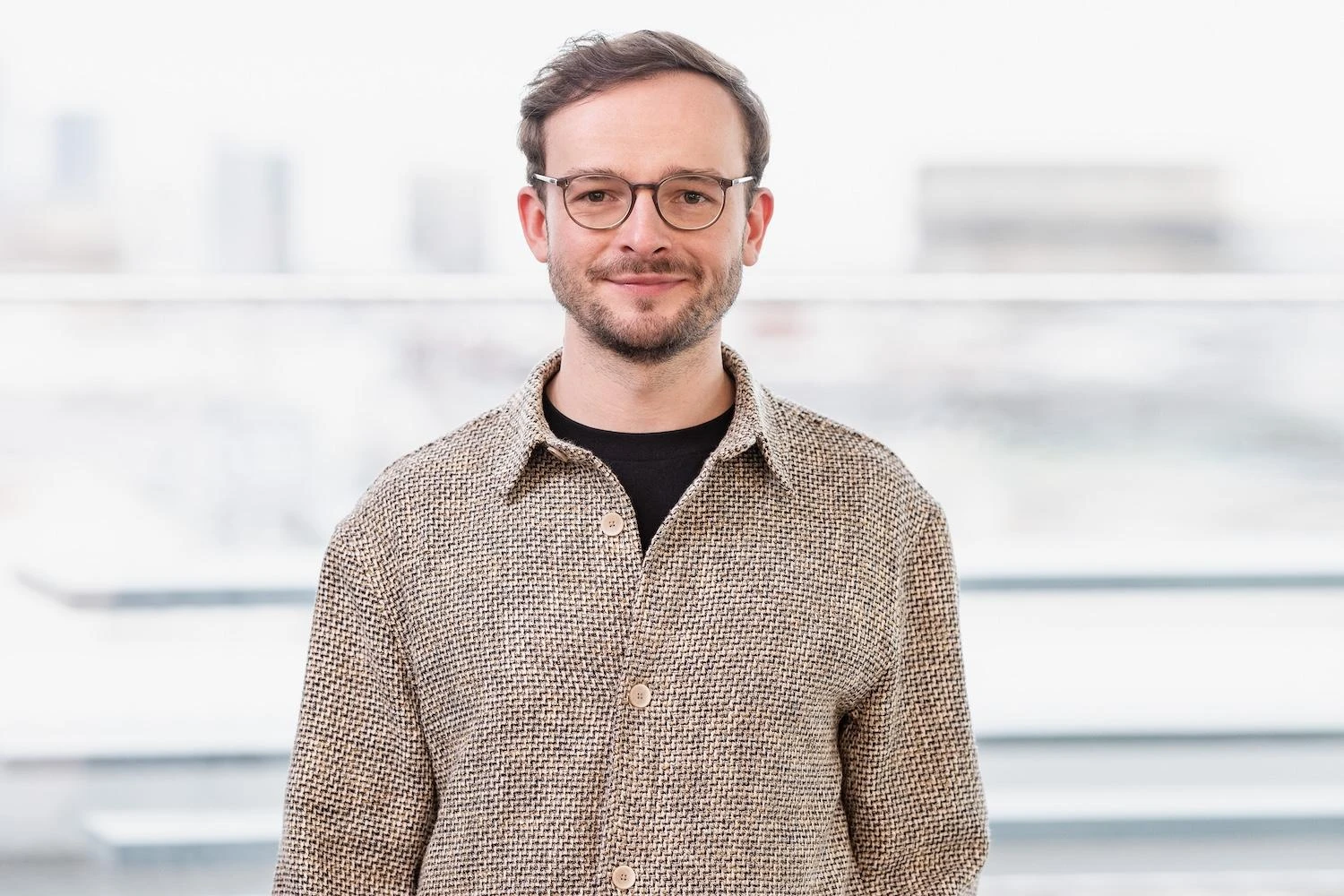
The two Kyrok founders, Daniel Hofinger (WHU, Frankfurt School of Finance & Management) and Lukas Bierfreund (WHU), bring extensive experience in deploying software to industrial customers. Hofinger, who holds a degree in business informatics, is also a serial entrepreneur. His previous software ventures have together served more than 1,200 SMEs and generated eight-figure revenues.
“Daniel and Lukas have already shown that they can make industrial companies more competitive through technology. With Kyrok, they are modernising an entire sector without taking it offline to do it. That is exactly the kind of leverage Europe needs to keep its SMEs competitive and its pharma and chemical supply chains resilient,” says Florian Obst, Partner at Speedinvest.
About Kyrok: Kyrok is building the first AI operating system for supply chain teams at pharmaceutical and chemical SMEs. Industry-specific AI agents take on recurring routine work in customer service, production and material planning, and procurement, while the final decision stays with the human. As an AI application layer, Kyrok sits on top of existing ERP systems with no system migration required. All data is held GDPR-compliant on European infrastructure. The company was founded in 2025 by Daniel Hofinger and Lukas Bierfreund in Berlin.